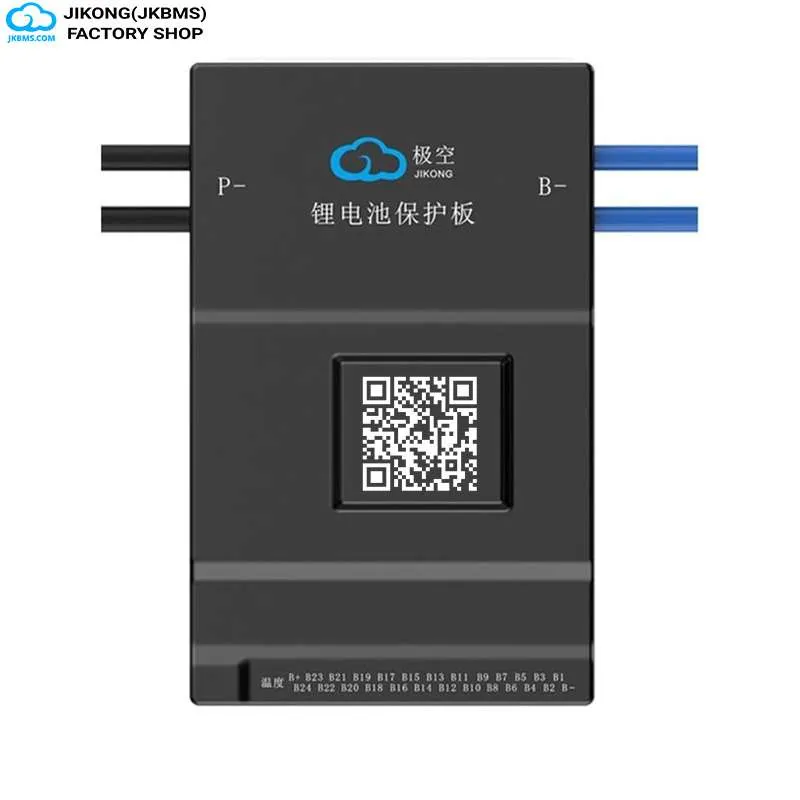
Reading the model code
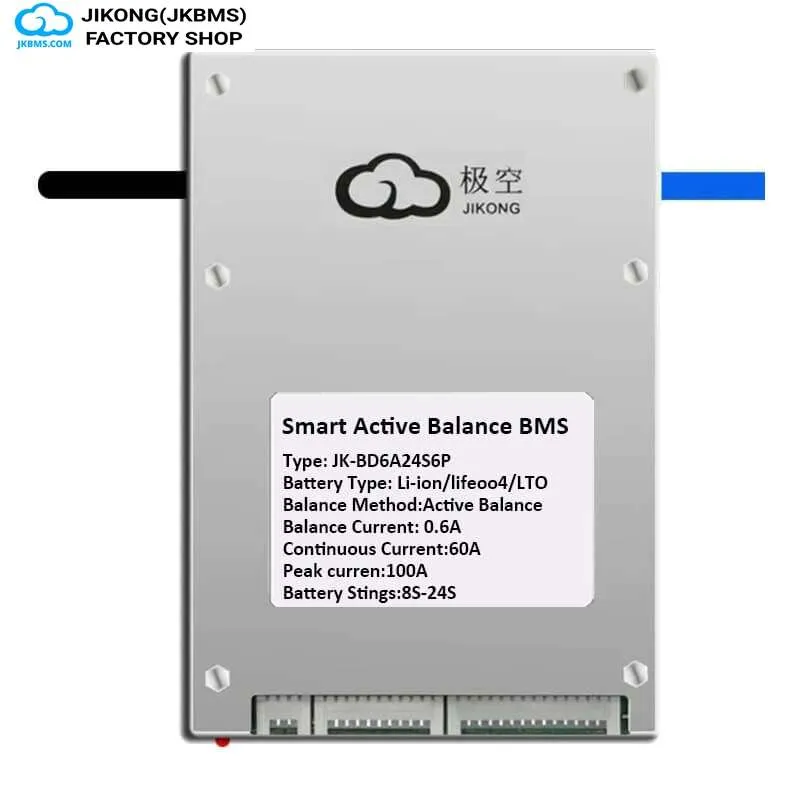
BD6A- Family segment. The 6A here is the balance-current class, not a pack rating: what governs JK-BD6A24S6P is 0.6A active balancing, and the class comes with the family rather than being chosen separately.
24S- String ceiling, about 76.8V nominal on LiFePO4 cells. Take the cell count from the pack, not from the model name.
6P- Where the continuous rating lives in the code. Stated on this page as 60A, and it is a ceiling rather than a target.
What actually changes between these codes
JK-BD6A24S4PD is the BD6A board next to this one on current and on nothing else: 40A versus 60A, 24S and 0.6A on both. US$3.91 separates the two at the base configuration. Buyers who do not need the extra current are paying for it anyway; buyers who need it cannot recover it from settings.
Same current, different ceiling: JK-BD6A20S6P runs to 20S where this board stops at 24S, which is 4 fewer cells in series. Choose on the cell stack, because no setting converts one into the other.
JK-BD4A24S6P is the other candidate for the same pack: 24S, 60A, 0.4A balancing rather than 0.6A. It sits US$12.95 above this listing at the base configuration. If the cells are matched and the duty cycle leaves idle time, the cheaper of the two is the right answer; if they are not, no protection setting replaces balance current.
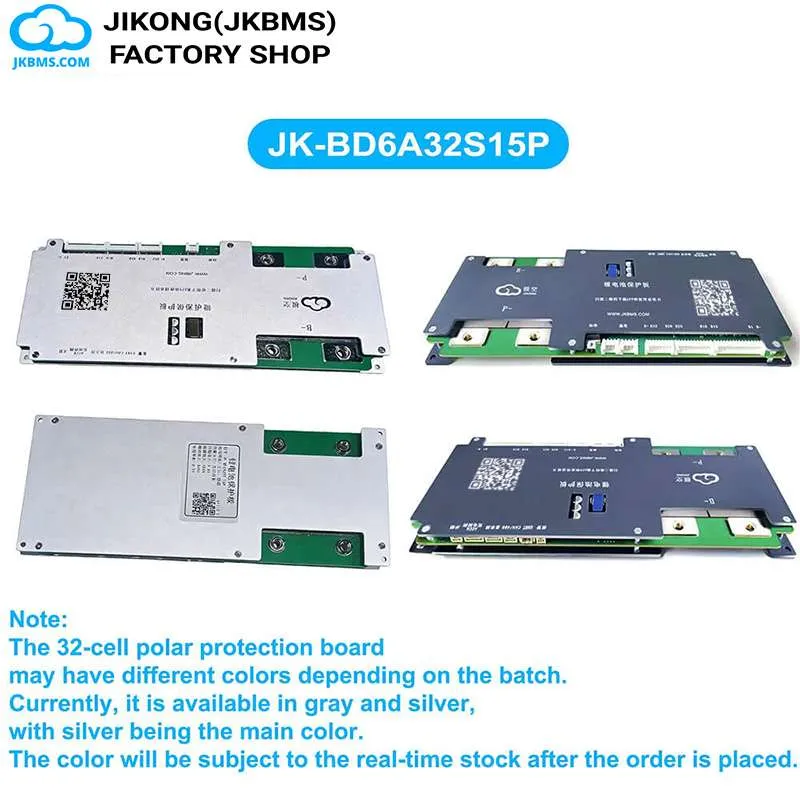
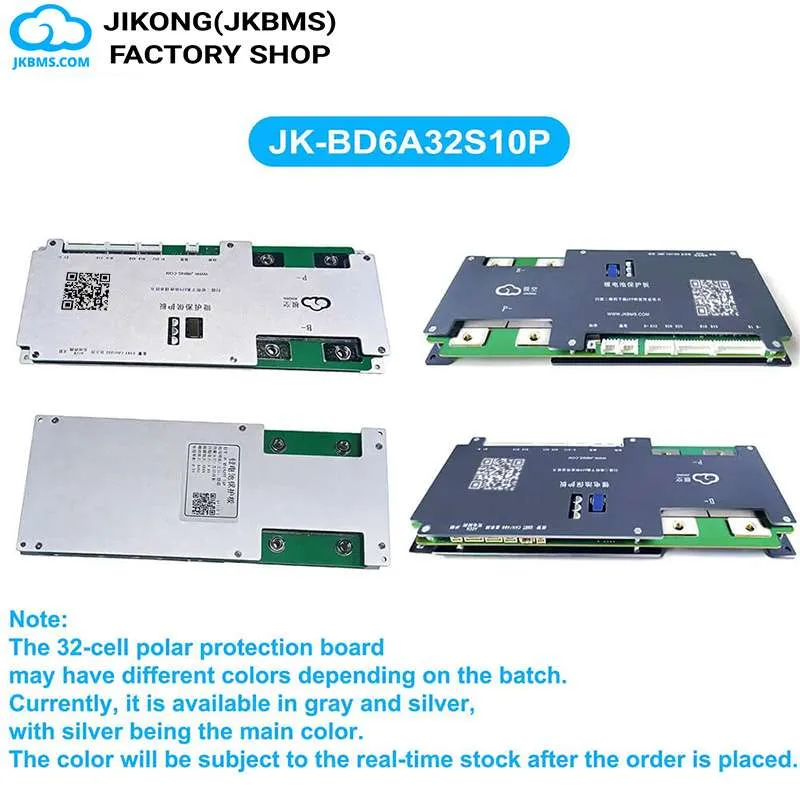
On price inside BD6A this listing sits at 7 of 26: US$71.16 for the base configuration, against a family spread of US$47.98 (JK-BD6A17S6P) to US$175.68 (JK-BD6A32S15P). Configuration add-ons shift that position, so compare like-for-like variants rather than headline figures.