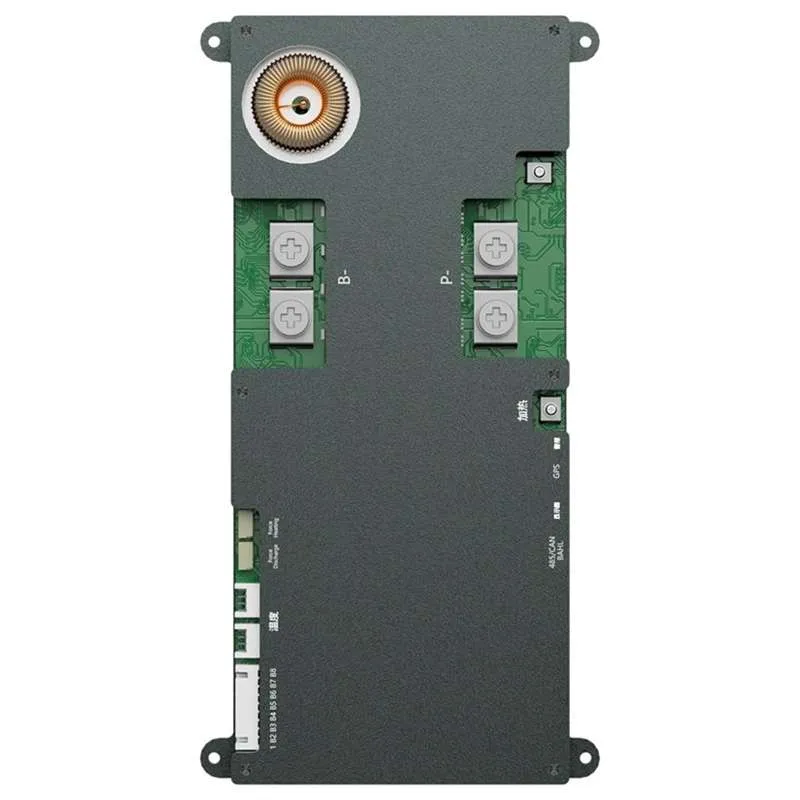
Reading the model code
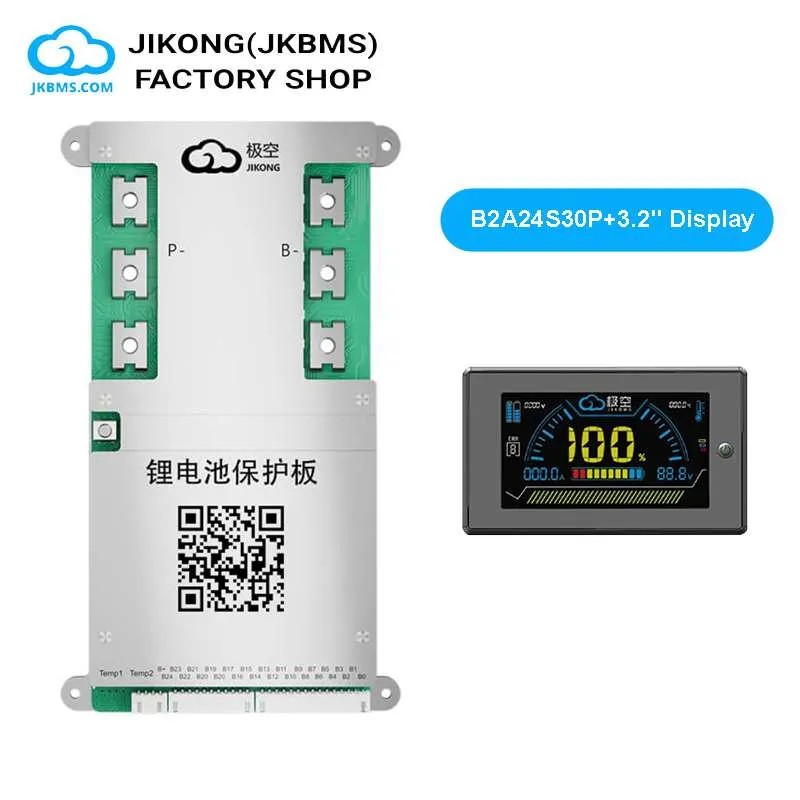
B2A- Family segment, and the part buyers most often read wrong. The 2A is the balancing class carried by every B2A board, so JK-B2A24S30P moves charge at 2A between cells — a different figure from anything in the tail of the code.
24S- Maximum cells in series, which is roughly 76.8V nominal with LiFePO4 cells. It is a ceiling: nothing is wasted by running fewer cells.
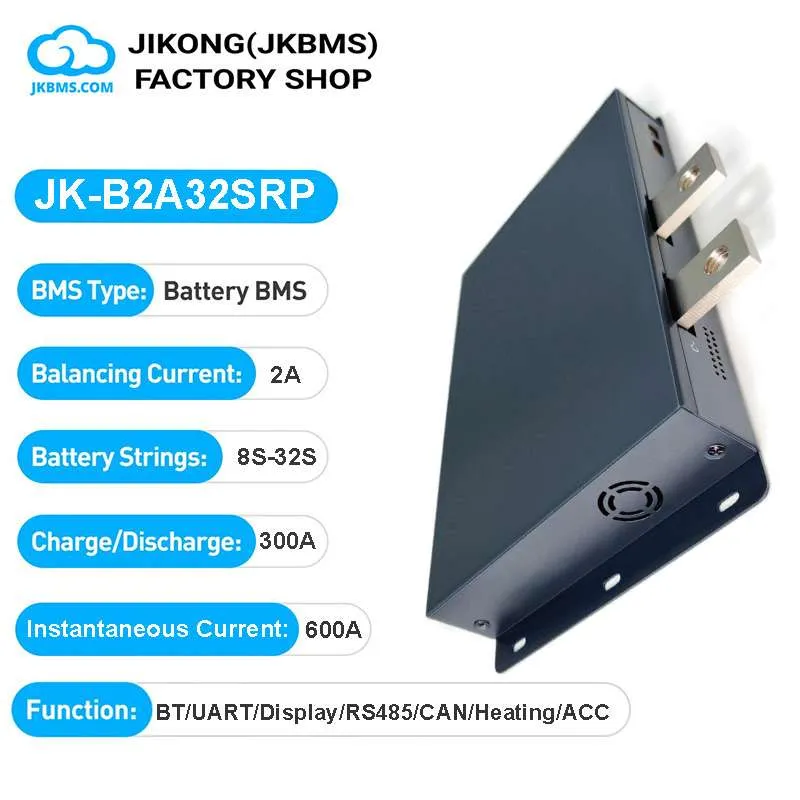
30P- Where the continuous rating lives in the code. Stated on this page as 300A, and it is a ceiling rather than a target.
What actually changes between these codes
JK-B2A24S20P is the B2A board next to this one on current and on nothing else: 200A versus 300A, 24S and 2A on both. US$15.00 separates the two at the base configuration. Buyers who do not need the extra current are paying for it anyway; buyers who need it cannot recover it from settings.
Same current, different ceiling: JK-B2A32SRP runs to 32S where this board stops at 24S, which is a 102.4V nominal pack instead of this board's 76.8V. Choose on the cell stack, because no setting converts one into the other.
The other way to spend this money is JK-BD6A24S30P: same 24S ceiling, same 300A continuous, but a 0.6A balancer against 2A here. It sits US$0.00 below this listing at the base configuration. That is the only material difference between them, so decide it from the cells — the faster balance rate earns its keep on mixed-age or salvaged packs and nothing on a matched new one.
9 B2A codes are priced here, from US$89.98 for JK-B2A8S20P to US$377.00 for JK-B2A25S-CR60P; JK-B2A24S30P is 7 of that set at US$174.98 before configuration options. The spread across the family is a ratings spread rather than a margin spread, so quote the cheapest code that clears the calculation.